
Drywall insulation is essential for Denver homes to conserve energy and maintain temperature. Due to the advantages of cellulose insulation in Denver, there’s an upward trend in its application.
Cellulose is a plant-based insulation material usually made from newspaper, cardboard, and other paper waste. It reduces landfills, increases energy efficiency, and has a better R-value.
According to patent data from Google, contractors started using cellulose insulation in 1700. Thomas Jefferson introduced it in his mansion, Monticello, in 1769. Since then, it has evolved into several forms.
Early use involved natural materials like straw and sawdust for soundproofing. However, nowadays, it has the composition of recycled paper and additional chemicals like borate.
Let me explain cellulose insulation and how it can help you.
Benefits Of Using Cellulose Insulation In Denver
95% of cellulose blown-in insulation projects have been a success so far. It’s because cellulose is a loose-fill material with multiple benefits besides eco-friendliness.
Here’s the list.
[wpdatatable id=11]
Types Of Cellulose Insulation Available In Denver
There are two types of cellulose insulation available in the market. Although both are powdered forms of recycled paper, wood chips, and other plant-based materials, their consistency and characteristics are different.
Let me briefly draw a comparison of both.
[wpdatatable id=12]
If you’re looking to hire an insulation contractor in Denver, running a query for cellulose insulation near me on Google can help you find an expert insulation provider.
However, I can save you from the hassle of going through a lot of options and reviews. You can consult ISID. We offer online estimates.
My expert team with an experience of 20+ years in insulation will help you choose the right type of cellulose insulation for your home. We offer services in 70+ Denver Metro areas.
Looking for Drywall or Insulation Services in the Denver Area and Beyond?
Installation And Maintenance Of Cellulose Insulation In Denver
Now that I have talked about the benefits and the types of cellulose insulation in Denver, it’s time to understand the process of installation and maintenance for cellulose insulation in Denver services.
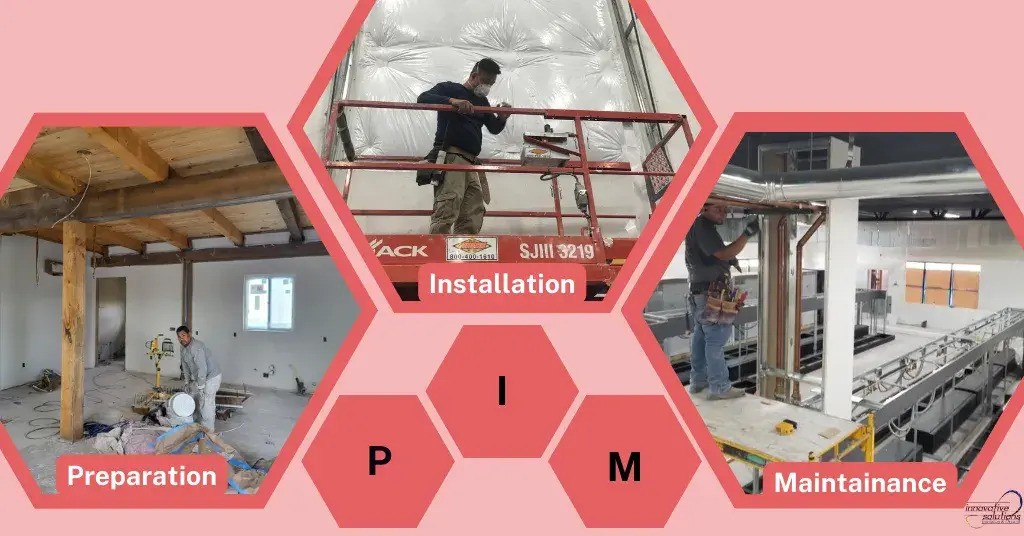
It will help you hire the right contractor and have better results. So, let’s move on to it.
Preparation
- Obtain permits from the Denver permitting office for insulation.
- Make sure your contractor inspects the installation area (attic, walls, etc.) for existing insulation, electrical wiring, and potential safety concerns.
Installation
- The first step is to load cellulose insulation into a specialized blowing machine.
- Next, the hoses are inserted into the designated cavities (attic access points, wall cavities, etc.).
- Then, it will be blown into the cavities, ensuring a dense and even fill.
- Recheck if you have sealed all openings to prevent air leaks.
Maintenance
- Look for moisture signs (condensation, stains, mold).
- Ensure proper attic ventilation to prevent dampness.
- Check gaps around vents/pipes monthly and ask for professional help.
- Top-up if needed: If attic insulation depth significantly decreases, consider a top-up.
- Schedule a professional inspection every six months.
One has to follow these steps precisely.
At ISID, we use specialized equipment to blow cellulose into attics, walls, or crawl spaces. With our latest equipment, we offer assurance for a proper installation with negligible air leaks.
We value our customers’ time, thus my company handles all the paperwork.
Challenges And Limitations Of Using Cellulose Insulation In Denver
Cellulose insulation in Denver is a popular and eco-friendly choice. However, it bears some challenges. The good news is that all of these challenges can be addressed.
So, let’s discuss them.
Cellulose can be slightly more expensive than traditional fiberglass insulation. However, this can be offset by long-term energy savings and potential incentives. The Denver Department of Energy & Climate Change offers rebates for cellulose insulation installations, making it a more attractive option.
Denver also has three months of yearly rain index, and cellulose can absorb moisture. However, being an expert, I recommend treating your cellulose with a splash of water after insulation. It will densely pack your cellulose insulation layer and reduce moisture absorption.
Besides, its 11% borate content also prevents mold growth and kills unwanted pests.
An unprofessionally installed cellulose insulation will compress and lose thickness over time. Therefore, Denver construction law recommends R-value calculation at the “settled density.”
At ISID, we ensure these challenges and limitations do not damage your project, that’s why we are one of the best insulation companies in Denver. My team always calculates the R-value at settle density and rounds it off a bit for added value.
Comparison With Other Types Of Insulation Available In Denver
Each insulation material comes with different pros and cons. The following table will make it easy for you to understand and decide what will work best for your home.
[wpdatatable id=13]
Cellulose insulation in Denver is a more practical and better choice.
Future Trends And Developments
Cellulose insulation is an eco-friendly choice with fire retardants, soundproofing, and pest-repellent characteristics. However, advancements in fire resistance and installation techniques like stabilized cellulose make it a more attractive option.
Moreover, researchers are also working on increasing moisture resistance and eco-friendly fire retardant alternatives. So, it’s continuously evolving to minimize environmental impact and potential settling over time.
People Also Ask
What Is Cellulose Insulation Made From?
Cellulose insulation is made from recycled paper products like newspaper, cardboard, and other paper waste, often treated with borate for fire and pest resistance.
How Does Cellulose Insulation Improve Energy Efficiency?
Cellulose insulation improves energy efficiency by settling into cracks and gaps, reducing air leaks, and minimizing the load on HVAC systems, which lowers electricity bills.
Is Cellulose Insulation Eco-Friendly?
Yes, cellulose insulation is eco-friendly as it is made from recycled materials and reduces landfill waste, making it a sustainable choice for home insulation.
What Are the Benefits of Cellulose Insulation in Denver?
Benefits include air sealing, energy efficiency, pest control, fire safety, moisture control, sound absorption, and cost-effectiveness, making it suitable for Denver’s climate.
Can I Install Cellulose Insulation Myself?
DIY installation of cellulose insulation is not recommended due to the need for specialized equipment and techniques, especially for spray-on applications. Professional installation ensures proper coverage and performance.
At ISID, we have applied cellulose insulation in retrofitting projects to improve energy efficiency in older homes. For the best cellulose insulation in Denver, contact us.