
If you have recently considered ceiling insulation, you have most likely heard about its promise of comfort and lower energy bills. But one thing that would have popped up in your mind would be ‘Does ceiling insulation cause problems?’
As a veteran insulation specialist with over two decades in the field, I can tell you unequivocally: Yes, ceiling insulation can cause problems when thermal dynamics and moisture control aren’t properly managed.
The main culprits are poor installation that creates thermal bridges, inadequate vapor barriers leading to condensation points, and improper R-value selection for your climate zone.
I have seen countless homes where improper insulation has turned what should be an energy-saving solution into a costly headache. From moisture-laden fiberglass batts growing mold in Denver attics to compressed cellulose creating dead air pockets that waste energy – these issues are real but entirely preventable.
According to energy assessments I have conducted, many U.S. homes are losing billions in energy costs annually due to insufficient or improperly installed insulation.
However, with proper material selection, professional installation, and regular maintenance, your ceiling insulation can be a powerful ally in creating an energy-efficient, comfortable home.
As someone who has worked through thousands of attics and witnessed both successful and failed ceiling insulation, I am here to guide you through everything you need to know – from common problems to proven solutions that will protect your investment and your home’s comfort level.
What Is Ceiling Insulation?
Ceiling insulation acts as a barrier to reduce heat loss in winter and heat gain in summer, helping to maintain a consistent indoor temperature.
Insulating your house can offer energy savings, increased comfort, and even noise reduction. But let me clarify: this insulation comes with its fair share of problems if it is not installed properly. We don’t want that now, do we?
For personalized guidance, don’t hesitate to reach out to ISID professionals for a free consultation.
Looking for Drywall or Insulation Services in the Denver Area and Beyond?

Types of Ceiling Insulation
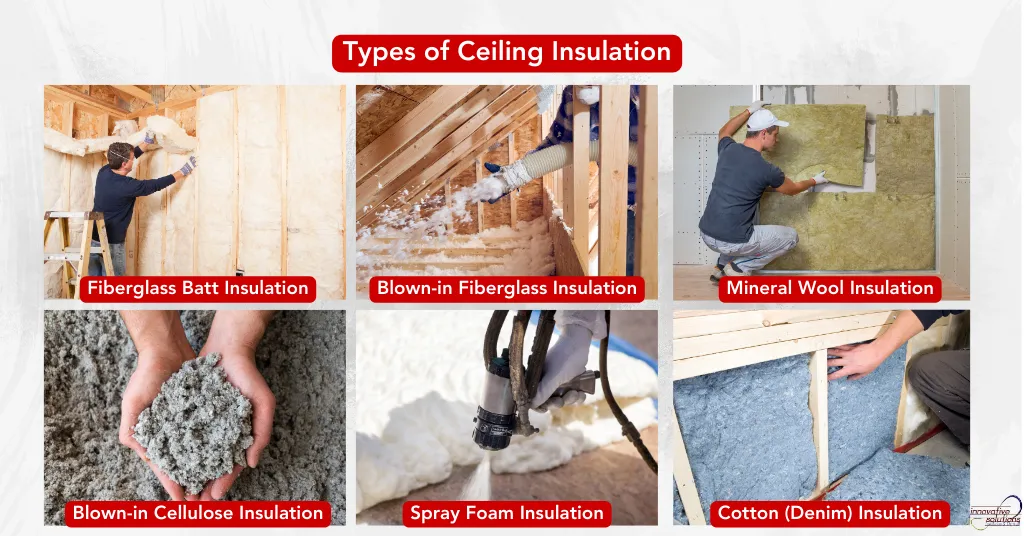
You will find different materials available in the market for ceiling insulation. Each of them has unique characteristics. But how do you choose what’s best for you?
Here’s a quick overview:
[wpdatatable id=42]
Overall, I recommend considering your home’s insulation needs, your budget, and the climate in which you live. For a colder climate like Denver, I think spray foam insulation is the best bet due to its airtight seal, which will prevent drafts and reduce energy bills.
Read More: Types Of Attic Insulation In Denver
Benefits of Ceiling Insulation
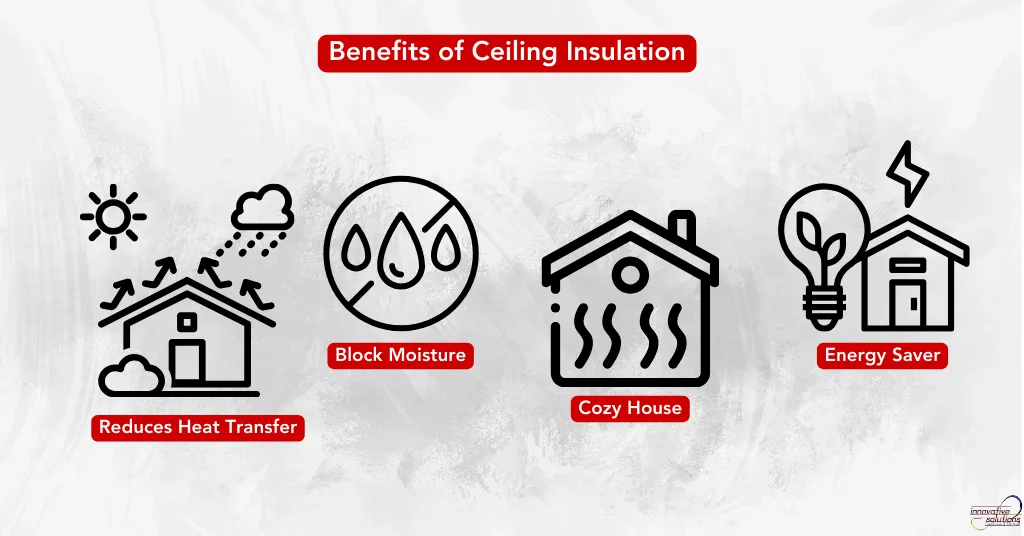
Most homeowners add ceiling insulation for these benefits:
- Insulation reduces heat transfer, which helps bring down heating and cooling costs.
- Insulation can also help block moisture from entering a building by preventing condensation.
- It keeps your house cozy by maintaining stable indoor temperatures, preventing the heat from escaping through the ceiling.
- While there’s an upfront cost when installing insulation for the first time, the good news is that insulation quickly pays for itself through energy savings.
Common Problems with Ceiling Insulation
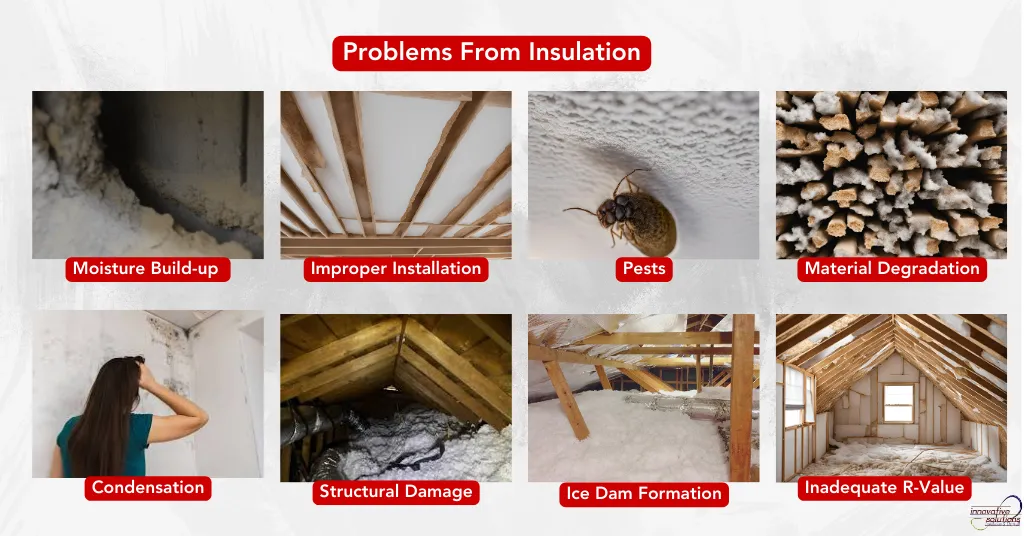
Like all the things in this world, where ceiling insulation offers many advantages, there are also some problems that many people face in Denver.
So, does ceiling insulation cause problems? Yes, you might face some challenges. I am going to mention them so you know what to expect and how you can avoid them.
[wpdatatable id=43]
Using quality materials and hiring professional installers can prevent many of these problems from occurring.
If you’re concerned about whether insulation will work well for you, consider consulting a local expert in insulation installation. For more details, consult ISID for bespoke advice.
How Colorado’s Climate Affects Your Ceiling Insulation
Living in Colorado means dealing with a wide range of weather, which brings unique challenges for your insulation. Here in Denver, we see hot summers and chilly winters, and these temperature swings can put extra stress on insulation.
If moisture builds up, whether from snow or humidity, it can wear down insulation faster—especially in homes without vapor barriers—raising the risk of mold.
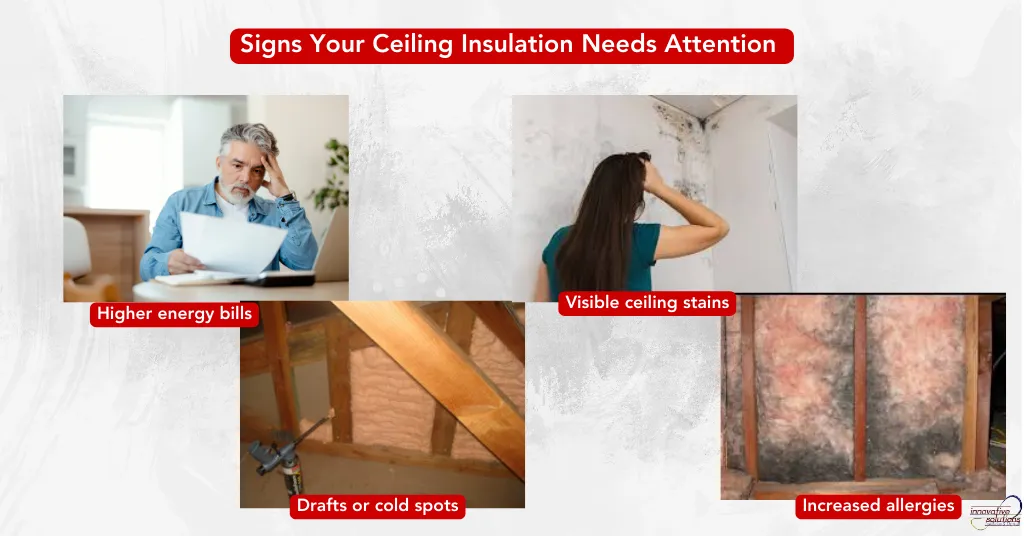
Signs Your Ceiling Insulation Needs Attention
(https://isid.us)
If you are noticing any of these signs, it might be time to inspect your ceiling insulation:
[wpdatatable id=44]
These symptoms could mean that your insulation needs a refresh or upgrade. Regular inspection helps catch issues early, saving on costly repairs.
Tips for Insulation Maintenance and Inspections
I would strongly suggest you have routine maintenance of your insulation. It will increase the durability of your insulation and will save you from hidden leaking pennies. I have mentioned a few tips to keep your insulation in top shape:
- Schedule yearly checks to identify any moisture, mold, or pest issues.
- Ensure attic access points and vents are tightly sealed to prevent air leaks.
- Keep your vents clear to allow airflow, preventing moisture buildup.
- Insulation technology has improved; upgrading to newer materials will improve efficiency and reduce long-term costs.
Local Regulations and Building Codes in Colorado
Colorado has specific regulations regarding ceiling insulation. Building codes mandate minimum R-values (a measure of thermal resistance) for different areas. Denver’s codes are stricter than some due to its climate, requiring higher R-values for adequate insulation against temperature extremes.
Denver follows the recommended R-values set by the International Energy Conservation Code (IECC) for homes based on climate zones.
Before making any major insulation changes, check local codes or consult a professional to ensure compliance with Denver’s building standards.
Read More: Is R-32 Insulation Acceptable in Colorado?
People Also Ask
What Is The Impact Of Ceiling Insulation?
Ceiling insulation helps reduce energy loss, maintain comfortable indoor temperatures, and lower energy bills. However, improper installation or lack of maintenance can lead to issues like moisture buildup and decreased efficiency.
Is It Good To Put Insulation In The Ceiling?
Yes, ceiling insulation offers significant benefits like energy savings, improved comfort, and noise reduction. It helps maintain consistent temperatures, especially when installed properly and maintained regularly.
Does Insulation Cause Problems?
Ceiling insulation can cause problems such as moisture buildup, mold growth, energy inefficiencies, and structural damage if not installed correctly. Regular maintenance and proper installation prevent most issues.
What Are The Disadvantages Of Roof Insulation?
Disadvantages include moisture buildup, improper installation, material degradation, pests, and ice dams. These can all reduce insulation effectiveness, increase energy costs, and cause long-term damage if not addressed.
How Do I Prevent Problems With Ceiling Insulation?
To prevent issues, ensure proper installation, select the right material, and perform regular maintenance checks. This helps avoid problems like moisture buildup, pests, and poor energy efficiency, keeping insulation effective.
To reiterate my point about does ceiling insulation cause problems? Yes, ceiling insulation does come with its share of challenges. However, trust me when I say the benefits far outweigh any drawbacks.
With the right insulation, you can improve your energy efficiency, stay comfortable all year round, and save money on utility bills. The key is regular maintenance, picking the right materials, and making sure it’s installed properly.