
Attic Insulation Removal in Denver
Due to its semi-arid climate, attic insulation removal in Denver has always been necessary. It is a process of removing old or damaged insulation from the attic of a house or a building.
Attic insulation removal is often needed when insulation becomes ineffective due to age, contamination by mold, water damage due to harsh climates, and mold.
Denver experiences cold winters with significant snowfall, and to maintain a comfortable indoor temperature, removing attic insulation that has lived its life is important.
Let me share some of the best types of attic insulation in Denver.
Signs That It’s Time to Remove Attic Insulation
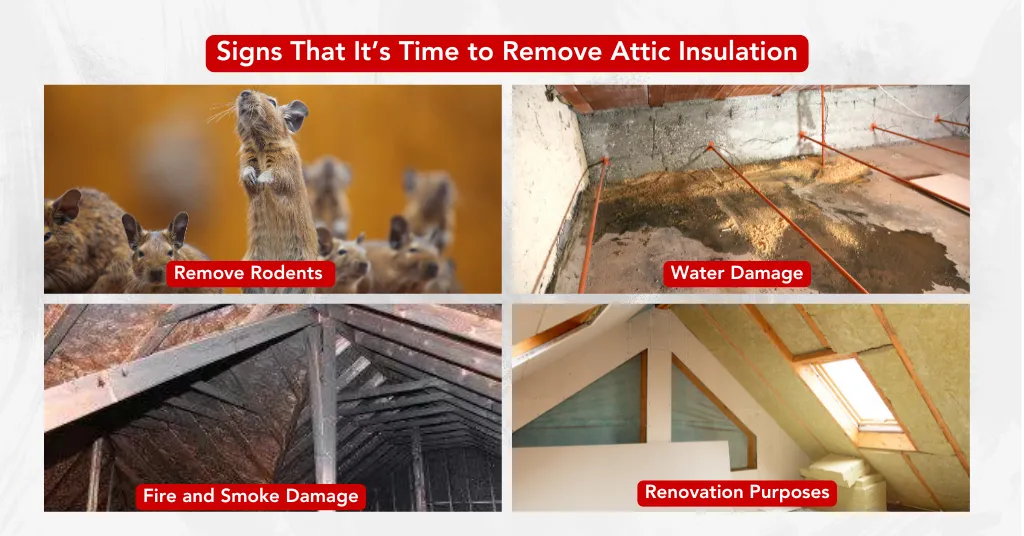
When there is a need for attic Insulation in Denver, there are signs. However, you do not need to worry because Innovative Solutions is here to ensure that your attic is not only aesthetic but also long-lasting.
[wpdatatable id=7]
Read More: How Thick is R 30 Insulation in Denver
Methods of Attic Insulation Removal
Let me share some of the methods of attic insulation removal in Denver.
However, first, you need to identify the type of insulation you are removing.
Cellulose Insulation
If you are removing a Cellulose Insulation, you need to remember:
- To have a high-powered vacuum to remove it.
- Cellulose Insulation is loose and can easily be sucked by a vacuum.
Fiberglass Insulation
If you are removing Fiberglass Insulation, keep in mind to:
- Roll the batts very carefully.
- Mist the insulation lightly to avoid dust
There are two ways in which you can get your attic insulation removed in Denver.
Professional Attic Insulation Removal
- Ensures knowledge of tools and effective removal of insulation.
- Services are typically faster as professionals use industrial-level equipment.
- A strict security protocol is followed so everything is disposed of properly.
- Removing attic insulation can be costly upfront but better in the long run.
DIY Attic Insulation Removal
- Removing attic insulation can be affordable as it eliminates labor costs, however, the cost of equipment might add up.
- You can work according to your own pace and timings.
- There is a high risk of exposure to chemicals without proper safety knowledge.
- Larger projects can be time-consuming
- This forum thread will help you understand more about DIY insulation removal.
Read More: Cellulose vs Fiberglass Insulation in Denver
Looking for Drywall or Insulation Services in the Denver Area and Beyond?
Pre and Post Attic Insulation Removal Precautions
Here are a few precautions to keep in mind when doing attic insulation removal in Denver.
Pre Insulation Removal Precautions
- If you live in an old home made before the 1980’s, it is good to get it checked for asbestos. If detected, do not DIY clean instead hire professional insulation removers.
- Wear proper safety gear, including gloves, long sleeves, and eye protection.
- Use tarps to seal off the work area for quick cleanup.
- Shut off the power supply in the cleaning area to avoid electrical hazards.
Post Insulation Removal Precautions
- Clean properly and remove all dust, debris, and insulation particles.
- Make sure the attic is dry and free from moisture.
- Dispose of the old insulation properly, compress and seal it with a proper label of disposal.
- Make sure that your attic is in proper condition before installing new insulation. Do not accidentally damage the attic while removing insulation.
Read More: Attic Insulation in Denver
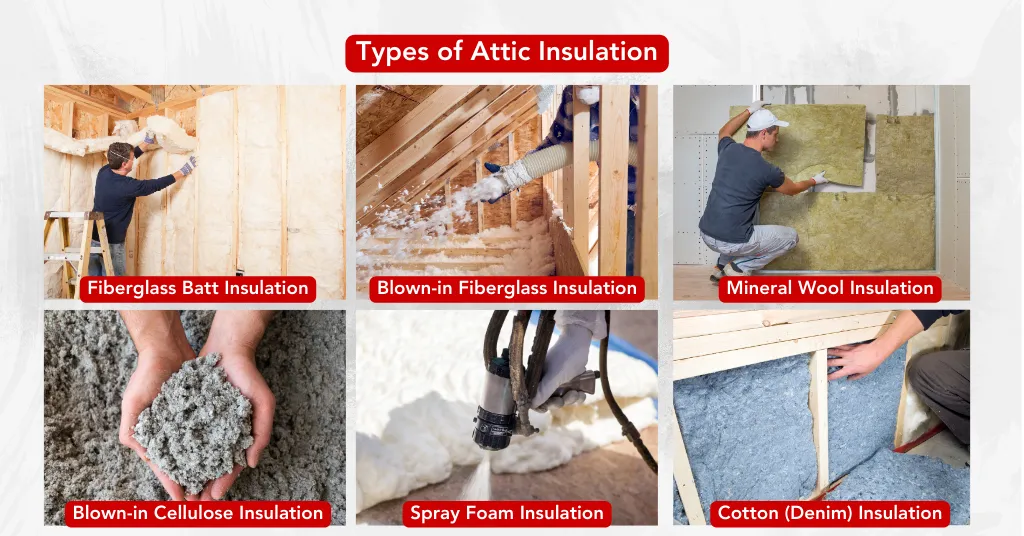
Types of Attic Insulation
Depending on the specific needs of a house, there are several types of attic insulation all over the United States and especially in Colorado, each with its advantages.
Fiberglass Batt Insulation
It is made up of fine woven glass material. It usually comes in pre-cut panels (batts) or rolls. This type of insulation is easy to install and is ideal for homes with typical attic spaces. It is the most common Insulation used in Denver due to its cost-effectiveness.
However, it can be itchy to manage without protective gear.
Blown-in Fiberglass Insulation
This loose insulation is made from small particles of fiberglass, which are blown into walls, attics, or floors using a machine. It provides better gap-sealing, especially for hard-to-reach areas. However, it loses its R-value at low temperatures.
Mineral Wool
It is made by melting natural minerals like basalt or industrial slag at high temperatures. This type of insulation comes in batts or loose-fill form.
It has excellent soundproofing properties and requires careful handling. However, it can be hard to find and is expensive.
Blown-in Cellulose Insulation
It is made from recycled paper products blown into walls, attics, or floors. It is environmentally friendly and treated with chemicals that make it fire-resistant and insect-repellant.
It is perfect for old homes in Denver since it gets into irregular spaces easily. Although, it can cause mold and mildew.
Spray Foam Insulation
It is a liquid insulation that gets into a hard form upon drying, creating an air-tight seal. This type of insulation is perfect for crevices and small spaces, making it an ideal insulation for Denver’s climate.
Cotton (Denim) Insulation
This type of insulation is made from recycled cotton or denim. It is eco-friendly and easy to handle without protective gear. It is sold in the form of batts or rolls.
Read More: Types of Attic Insulation in Denver
People Also Ask
How Do You Remove Insulation from an Attic?
To remove insulation from an attic, identify the insulation type, use a high-powered vacuum for loose-fill insulation, roll, and mist fiberglass batts, and ensure proper safety precautions.
Is It Worth It to Remove Old Attic Insulation?
Yes, removing old attic insulation is worth it if it’s damaged by water, mold, or pests, as it improves indoor air quality and energy efficiency.
Can I Remove Loft Insulation Myself?
Yes, you can remove loft insulation yourself, but it’s important to follow safety precautions, such as wearing protective gear and ensuring the area is properly sealed off.
How Long Does It Take to Vacuum Out Attic Insulation?
Vacuuming out attic insulation can take a few hours to a full day, depending on the attic size and the amount of insulation needing removal.
What Are the Signs That Attic Insulation Needs to Be Removed?
Signs include rodent infestation, water damage, smoke damage, and if the insulation is outdated or ineffective. Removal improves health and energy efficiency.
Attic insulation removal in Denver is important for maintaining a healthy and functioning house. No matter what way of services you use, DIY or professional, make sure to follow all the safety precautions necessary to avoid any hazards. Taking these steps will help you end up with successful insulation installed.
With a 4.8 star review, we have completed numerous attic insulations in Denver and satisfied customers. If you want to be one of them, contact us and get benefits from our services available in the Denver Metro Area and beyond.