
Blown in insulation is a type of insulation installed by a special machine that blows the insulation into spaces like walls and attics. For the question, ‘Can Blown in Insulation have Asbestos?’, Yes, blown in insulation can have asbestos but I can say that while modern blown-in insulation is usually free of asbestos, older homes or previous installations might contain the risk.
Asbestos insulation can be harmful to human health. According to WHO, more than 90,000 people die from asbestos-related diseases every year. By identifying potential hazards, homeowners can have a safe and effective installation at their houses.
Risk Factors of Asbestos in Old Insulation Installations
The presence of asbestos in blown-in insulation is a major concern in older houses. These holder houses were mostly built before the 1980s when asbestos was used a lot as a construction material.
Asbestos may be present in blown-in insulation if:
- Vermiculite Insulation: Vermiculite insulation, especially the brand Zonolite, was commonly used in homes and is known to be contaminated with asbestos.
- Age of the Home: Homes constructed or insulated before the 1980s are at higher risk of having materials that contain asbestos.
- No Records of Modern Upgrades: If there is no evidence of recent insulation upgrades, there may be a higher chance of asbestos.
- Home Nearby Asbestos Mines: Homes near areas where asbestos mining occurred may have been insulated with materials containing asbestos.
If your home falls into these categories, I would suggest that it is important to test the insulation material before any renovation.
Asbestos fibers can become airborne if removed without caution, posing serious health risks, including lung diseases and cancer. Hence, safe attic insulation removal is important for a healthy house.
If you want the best services for attic insulation removal and other facilities, our services are perfect for you.
At Innovative Solutions, you get the expertise of drywall, painting, insulation, and concrete coating. Contact us today to avail yourself of our excellent services.
Looking for Drywall or Insulation Services in the Denver Area and Beyond?
Identifying Asbestos in Insulation
Based on my experience over 20 years, here are some steps for you to determine what asbestos insulation looks like.
[wpdatatable id=50]
Health Risks, Testing, and Safe Handling of Asbestos in Insulation
Health Risks Associated with Asbestos Exposure
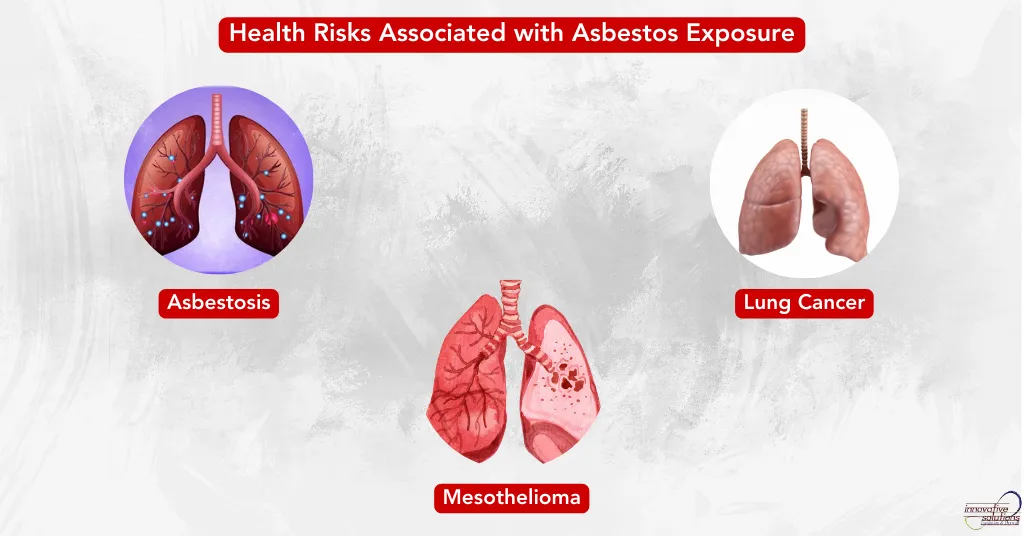
Being exposed to asbestos can have serious health effects. When asbestos fibers are disturbed, they become airborne and can be inhaled or swallowed. Over time, this can lead to severe conditions, including:
- Asbestosis: Scarring of lung tissue that causes breathing problems and long-term damage.
- Lung Cancer: Prolonged exposure increases the risk of lung cancer, especially in smokers.
- Mesothelioma: A rare but aggressive cancer that affects the lining of the lungs or abdomen, almost exclusively linked to asbestos exposure.
Even brief exposure to airborne asbestos can be harmful. Therefore, it’s important to handle suspected materials carefully.
Testing for Asbestos
To find out if blown in insulation has asbestos, follow these steps:
- Do Not Disturb the Material: Avoid touching or moving insulation that you suspect may have asbestos. This can release dangerous fibers.
- Professional Testing:
- Hire a certified asbestos inspector or testing company.
- They will safely collect a sample and send it to a lab for analysis.
- Professionals follow strict safety guidelines to ensure no fibers are released.
- DIY Testing (Not Recommended):
- If professional testing isn’t an option, you can purchase an asbestos testing kit.
- Carefully follow the instructions, but remember that disturbing the material increases the risk of exposure.
- Send a sample to a certified place for confirmation.
Professional testing is always the safest option to avoid exposure during the process. According to WHO, In the United States, deaths due to asbestos exposure in different jobs increased by 20.2% from 1990 to 2019. Due to the health risks, taking safety precautions is extremely important.
Remediation and Safety Procedures
If testing confirms the presence of asbestos, follow these guidelines for safe handling:
- Asbestos removal specialists have the expertise and tools to remove and dispose of the material safely.
- They will seal off the area, use protective gear, and follow strict regulations to prevent contamination.
- Regulations vary by region, but most require certified professionals for asbestos removal.
- Ensure the contractor provides proper documentation of safe disposal.
- After removal, have the area inspected to confirm all asbestos has been cleared.
- Replace the old insulation in your home with modern, asbestos-free materials to improve energy efficiency and safety.
Alternatives to Asbestos-Containing Material
Compared to local insulation options, modern insulation methods are safe and efficient. These include:
- Fiberglass Insulation: Common, fire-resistant, and energy-efficient.
- Cellulose Insulation: Made from recycled paper, it is environmentally friendly, and effective in reducing energy loss.
- Spray Foam Insulation: Expands to fill gaps, offering excellent thermal resistance and air sealing.
These alternatives provide safer options while ensuring good insulation performance.
People Also Ask
Is There Asbestos in Blown Insulation?
Yes, blown-in insulation can contain asbestos, especially in older homes built before the 1980s. Modern blown-in insulation is typically asbestos-free, but testing is essential for confirmation.
Is Blown Insulation Toxic?
Blown-in insulation itself isn’t toxic, but older installations may contain asbestos, which is harmful when disturbed. Proper testing and handling are crucial to avoid health risks.
Does Roof Insulation Contain Asbestos?
Roof insulation may contain asbestos if installed before the 1980s, particularly vermiculite insulation like Zonolite. Testing and professional evaluation are recommended for older homes.
What Items Are Likely to Contain Asbestos?
Common items that may contain asbestos include vermiculite insulation, older roof insulation, floor tiles, cement products, and construction materials in homes built before the 1980s.
How Can You Test Insulation for Asbestos?
To test for asbestos in insulation, hire certified professionals to collect samples safely. DIY kits are available but not recommended due to exposure risks.
At the national level, the Environmental Protection Agency (EPA) and Occupational Safety and Health Administration (OSHA) help asbestos handling and removal. Some local laws also require licensed professionals to remove asbestos.
By now, we hope your question of ‘Can blown in insulation have asbestos?’ has been answered. It’s important to check older homes for asbestos, especially those built before the 1980s.
Following safety guidelines and hiring professionals will help you have an asbestos-free environment.