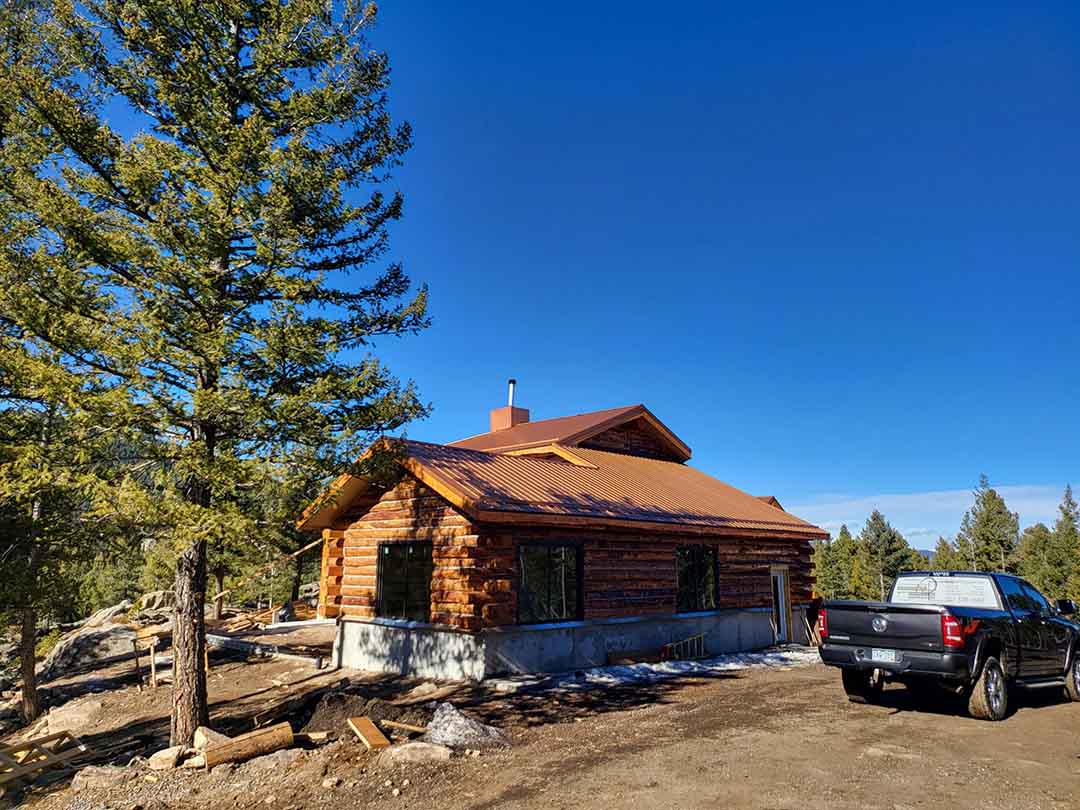

Home Insulation in Denver CO
Denver’s climate is hard on homes. Freezing winters, hot summers, and thin high altitude air push heating and cooling systems to work overtime when insulation falls short.
Quality home insulation in Denver CO fixes that. It seals the building, holds indoor temperatures steady, and trims monthly Xcel bills across every season.
Innovative Solutions Insulation and Drywall (ISID) has installed home insulation across the Denver region since 2005. This guide covers the services, materials, R values, costs, and results that matter for a well insulated Denver home.
[Table of Contents]
Table of Contents
Why Denver’s Climate Demands Strong Home Insulation
Denver sits above 5,280 feet in a semi arid climate. The air is dry, the sun is strong, and temperatures swing hard between day and night.
That swing is the problem. A home can gain heat all afternoon and lose it fast after sunset, forcing your furnace and air conditioner to cycle constantly.
Freeze thaw cycles add stress through winter. Warm indoor air escaping a poorly sealed attic melts rooftop snow, which refreezes at the eaves and forms ice dams.
Insulation is the barrier that stops this. It slows heat transfer, blocks air movement, and keeps conditioned air where you paid to put it.
A skilled residential insulation contractor in Denver matches the right material and R value to each part of the home, from attic to crawl space.

Home Insulation Services ISID Provides Across Denver CO
ISID delivers complete home insulation for the whole house. Every project starts with an on site assessment, not a guess about what your home needs.
Attic and Blown Loose Fill Insulation
The attic is where most Denver homes lose heat. ISID installs blown loose fill insulation that settles evenly into every joist bay, corner, and tight cavity.
Blown coverage avoids the gaps that batts leave at edges. Our guide to the best attic insulation in Denver explains how depth and coverage affect performance.
Wall Dense Pack for Existing Homes
Finished walls are hard to insulate without demolition. Dense pack fiberglass and cellulose is blown into closed cavities at high density through small access holes.
It fills irregular spaces tightly and resists settling. Homeowners weighing fill materials can read our breakdown of cellulose insulation in Denver.
Spray Foam for the Tightest Seal
When air sealing is the priority, ISID applies open cell and closed cell spray foam. Foam expands on contact and seals cracks that loose fill cannot reach.
It works well in rim joists, cathedral ceilings, and problem areas. See local results in our overview of spray foam insulation in Denver.
Crawl Space and Basement Insulation
Cold floors usually trace back to an uninsulated crawl space or basement. ISID insulates these zones to stop drafts, control moisture, and warm the rooms above.
Our guide on crawl space insulation in Denver covers the approach, and basement ceiling insulation helps with unfinished lower levels.
Sound Insulation
Comfort is not only thermal. Our sound insulation dampens noise between media rooms, home offices, bedrooms, and shared walls for a quieter house.
Old Insulation Removal
Damaged, settled, or contaminated material drags down performance. ISID handles full insulation removal before any upgrade so the new install reaches its rated value.

How Insulation Materials Compare for Denver Homes
Material choice changes both performance and cost. Here is how the main options perform, measured by R value per inch, which shows how much each material resists heat.
Fiberglass, blown or in batts, delivers roughly R2.2 to R2.7 per inch. It is affordable and reliable for open attics.
It can leave gaps if fitted poorly, as our guide on batt insulation explains.
Cellulose reaches about R3.2 to R3.8 per inch. Made largely from recycled fiber, it packs densely and fills irregular cavities better than batts.
Open cell spray foam runs near R3.5 per inch and seals air on contact. It is lighter, expands more, and suits interior walls and ceilings.
Closed cell spray foam is the top performer at roughly R6 to R7 per inch. It also blocks moisture, making it strong for rim joists and crawl spaces.
The right choice depends on the space, the target R value, and your budget. ISID often combines materials, using foam to air seal and blown fill to build depth.
R Values and Denver Energy Code Targets
R value measures resistance to heat flow, and higher is better. Denver falls in Colorado climate zone 5, which sets the targets local homes should meet.
Attics carry the highest target, commonly around R49 to R60. Walls typically call for about R20, and floors over unconditioned space near R30.
Crawl space walls often target around R15. These are guideposts, and current code plus your home’s construction set the exact numbers.
Depth and R value are linked, which our post on how thick R30 insulation is in Denver breaks down clearly.
What Drives the Cost of Home Insulation in Denver
Insulation pricing is not one flat rate. Cost depends on square footage, the material chosen, the target R value, and how accessible the space is.
Removing old insulation, sealing air leaks, and treating hard to reach cavities add labor. A large open attic costs less per square foot than dense packing finished walls.
Rebates and credits can offset the spend. Xcel Energy offers rebates for qualifying insulation upgrades, and federal energy efficiency tax credits may apply to your project.
ISID provides free, itemized estimates so you see material, labor, and rebate guidance before any work begins.
You can also compare providers using our list of the best insulation companies in Denver Colorado.
The Best Time to Insulate a Denver Home
Insulation can be installed year round, but fall is ideal. Upgrading before heating season means you feel the comfort and savings through the coldest months.
Spring is a strong second choice, ahead of summer cooling loads. Attic work is easier in mild weather, before the space turns into an oven.
That said, do not wait if your home is uncomfortable now. Air sealing and added insulation pay back in any season on Denver’s swinging temperatures.

What to Expect From an ISID Insulation Project
A clear process keeps the job smooth. First, ISID inspects your attic, walls, and crawl spaces to find gaps, thin coverage, and air leaks.
Next comes a written estimate with material, R value, and scope. Once approved, crews protect the work area, remove old material if needed, and prep access points.
Installation follows, whether blowing loose fill, dense packing walls, or spraying foam. The team then cleans up fully and verifies coverage against the target R value.
Because ISID also offers full residential services, any drywall opened for wall insulation is patched and finished by the same team.
Why ISID Is Denver’s Choice for Home Insulation
The best home insulation in Denver CO comes from a crew you can trust to show up, install correctly, and finish clean.
ISID carries A+ BBB accreditation, Xcel Energy approved contractor status, and a HomeAdvisor Top Pro designation, backed by verification through Team Dave Logan.
Those 5 star reviews consistently mention quality, fair pricing, and responsive project management.
Jordan and the team stay involved from quote to final walk through, with crews that arrive on time and managers who stay reachable throughout the job.
Signs Your Denver Home Needs New Insulation
Your home tells you when insulation is failing. Rooms that never hold a comfortable temperature are the clearest sign.
Watch for rising Xcel bills, cold floors in winter, hot upstairs rooms in summer, and drafts near outlets, windows, and doors.
Ice dams on the roof and rapid indoor temperature drops after the furnace stops also point to weak attic coverage. Any of these is worth an assessment.
Denver and Surrounding Service Area
ISID provides home insulation across Denver and nearby communities, including Aurora, Lakewood, Centennial, Arvada, Thornton, Englewood, Littleton, and Highlands Ranch.
Confirm coverage for your address on our service area page, and browse more local guides on the ISID resources page.
FAQ
How Much Does Home Insulation Cost In Denver?
Cost depends on square footage, material, R value target, and access. ISID gives free, itemized estimates so you see clear pricing, plus any rebate guidance, before work starts.
What Is The Best Insulation For A Denver Home?
Blown loose fill suits attics, dense pack fits finished walls, and closed cell spray foam gives the tightest air and moisture seal. ISID recommends the right mix per home.
What R Value Should A Denver Attic Have?
Denver attics generally target around R49 to R60 for climate zone 5. ISID confirms the right level based on your home, existing insulation, and current code.
Can I Get A Rebate For Insulation In Denver?
Often yes. Xcel Energy offers rebates for qualifying upgrades, and federal energy efficiency tax credits may apply. ISID points you toward programs that fit your project.
How Long Does Home Insulation Last?
Quality insulation lasts decades, though blown attic material can settle over time. ISID inspects existing coverage and tops up or replaces only what is needed.
Does Adding Insulation Really Lower Energy Bills?
Yes. Sealing leaks and reaching proper R value cuts heat loss in winter and heat gain in summer, easing the load on your heating and cooling.
Ready for lower bills and steady comfort in every room? Trust ISID for home insulation in Denver CO that is sized right, sealed tight, and installed to last.
Contact ISID
Call (303) 520-2667 or request a free estimate today. Follow our projects on Instagram and Facebook.