
When we talk about Denver’s construction industry, different texture types for drywall are key elements to enhance your room’s aesthetic appeal and functionality. Choosing the right drywall texture type can change the looks of your room.
In this article, I will discuss the different types of drywall texture that are commonly being used in Denver. This will help you in making the right decision for your next construction project.
Texture Types for Drywall in Denver
According to market research, the global drywall market size in 2023 was worth USD 42.17 billion, which is further estimated to grow and reach USD 72.47 billion in 2032. That means more people are opting for drywalls due to their aesthetics and practical benefits.
There are many different common drywall textures that are quite popular in the USA. Let me tell you about the ones that are widely used.
Looking for Drywall or Insulation Services in the Denver Area and Beyond?

Orange Peel Texture
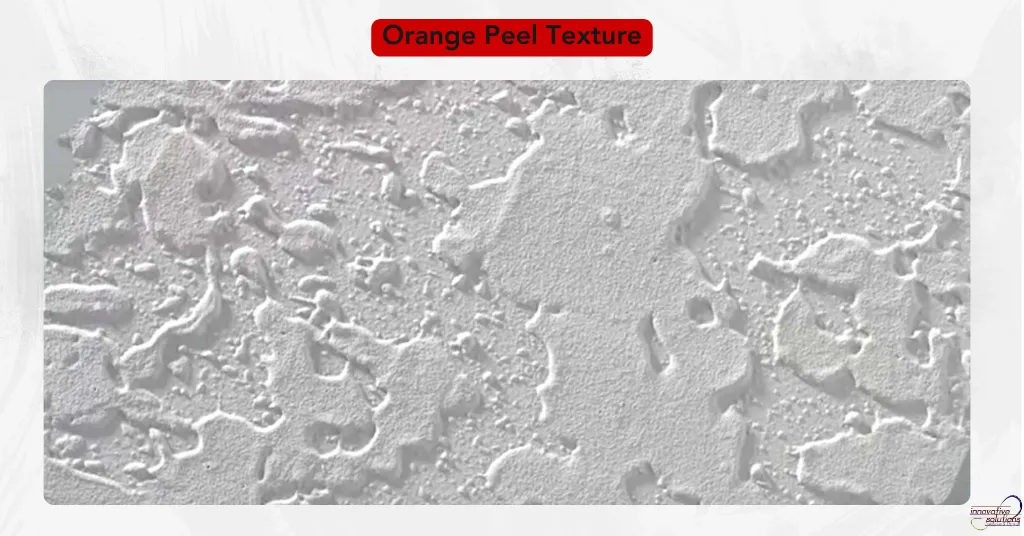
The orange peel texture is famous because it has a subtle and attractive look. It is named orange peel because it looks like the skin of an orange and has a delicate and dimpled surface. This texture forms due to the mixture of drywall mud and water that is sprayed on the wall. It adds depth and a slightly embossed texture to the wall without being too much.
Characteristics of Orange Peel Texture
- Appearance: Fine, dimpled texture like an orange peel
- Durability: Resistant to minor tear and wear
- Maintenance: Easy to clean and maintain and is great for high-traffic areas
Application of Orange Peel Texture
- Residential: Commonly used in living rooms, bedrooms, and hallways
- Commercial: Ideal for offices, retail spaces, and other professional settings
- Renovations: Effective in covering minor wall imperfections
Knockdown Texture
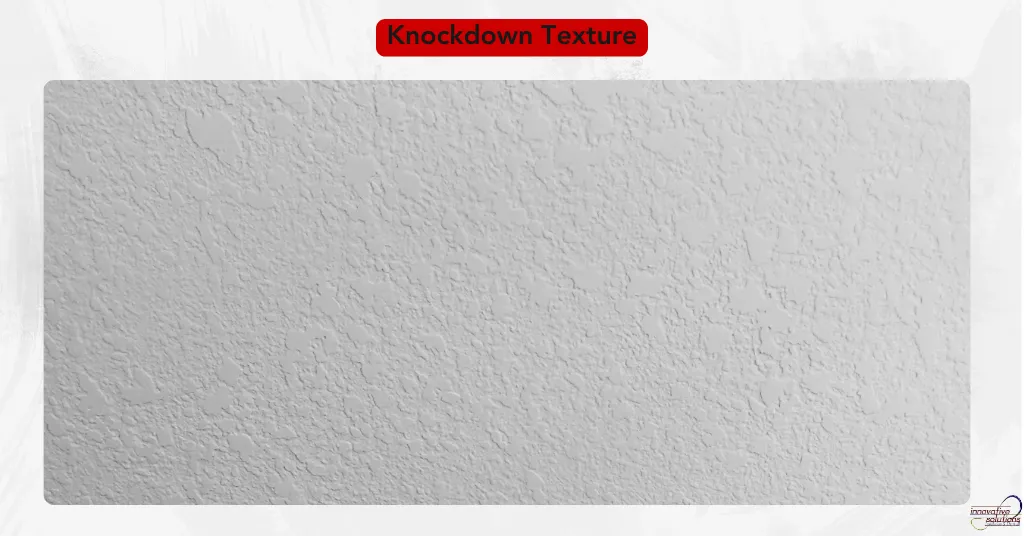
Knockdown texture is one of the popular texture types for drywall that adds a touch of sophistication to walls. To get this pattern, a thick layer of drywall cement is applied to the wall, then the peaks are flattened with a big knife.
This makes the finish smooth and stucco-like. People love the knockdown texture because it gives a unique, rustic look that can make any room more interesting.
Characteristics of Knockdown Texture
- Appearance: Flattened peaks create a rustic and stucco-like finish
- Durability: Covers imperfections well and is easy to maintain
- Customization: Can be painted in a variety of colors to suit different styles
Application of Knockdown Texture
- Residential: Popular in kitchens, bathrooms, and living areas
- Commercial: Usually used in offices and retail spaces for its durability and aesthetic look
- Versatility: Suitable for both walls and ceilings
Stomp Texture
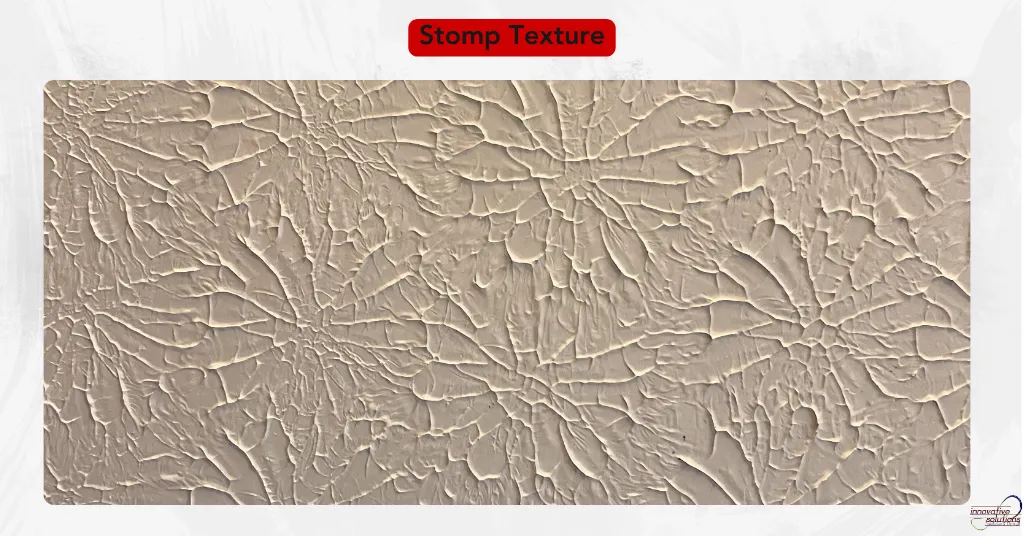
The stomp texture is famous for its strong, expressive look. You can get this texture by applying a thick coating of drywall mud to the wall and then stomping patterns into the surface with a brush. The result will be a highly textured, raised pattern that will give your wall an aesthetic look and depth.
Characteristics of Stomp Texture
- Appearance: Thick, raised patterns that are created by stomping a brush into wet drywall mud.
- Durability: Highly durable and hides imperfections in a good way.
- Texture: Adds visual interest and dimension to walls.
Application of Stomp Texture
- Residential: Common in high-traffic areas like hallways and family rooms
- Aesthetic: Ideal for adding a bold, dramatic touch to any room
- Durability: Suitable for areas that need a durable and easy-to-maintain finish.
Slap Brush Texture
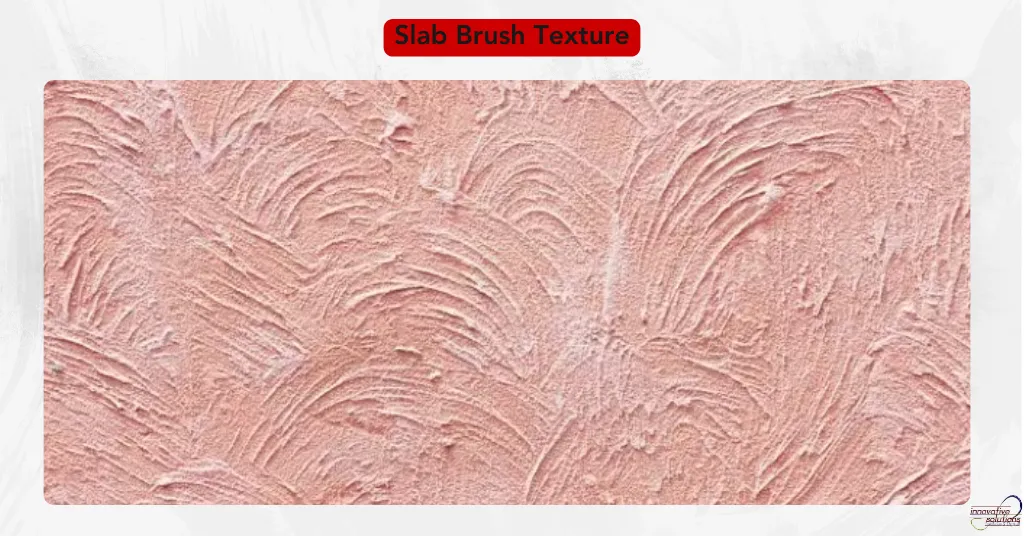
Slap brush texture, also referred to as crow’s foot texture, is produced by randomly slapping a brush across wet drywall mud. This texture can be useful for both gently hiding flaws and giving a unique, artistic touch to walls.
Characteristics of Slap Brush Texture
- Appearance: Random patterns created by a brush are slapped against the drywall.
- Durability: Excellent at hiding drywall seams and flaws.
- Artistic: Adds a unique, artistic touch to walls and ceilings.
Application of Slap Brush Texture
- Residential: Usually used in living rooms, bedrooms, and ceilings
- Commercial: Suitable for adding an artistic element to office spaces and retail environments.
- Versatility: Can be used on both walls and ceilings for a balanced look.
Popcorn Texture
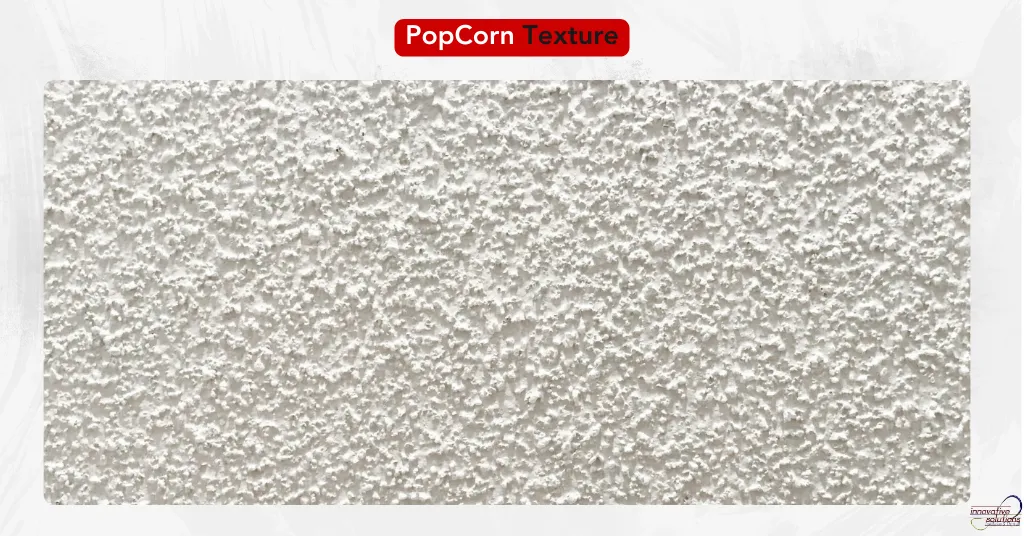
Popcorn texture, which is also called acoustic texture, has a rough, bumpy surface that looks like popcorn. This texture was common in older homes and is still used today because it blocks out noise. It is created by spraying a mix of drywall mud and polystyrene onto the surface.
Characteristics of Popcorn Texture
- Appearance: Rough, bumpy surface similar to popcorn.
- Durability: Sound-dampening properties and hides imperfections well.
- Maintenance: This can be difficult to clean and may require professional removal when you are updating.
Application of Popcorn Texture
- Residential: Historically popular in ceilings, particularly in older homes.
- Sound Control: Ideal for bedrooms, home theaters, and other areas where noise reduction is important.
- Ceilings: Great at hiding imperfections on ceilings.
Popular Finishes and Combinations
Finishes and mixtures of plaster layers can have huge impacts on how a room looks and how it works. If you use painted finishes, it can bring out the features of the texture and add color, while textures that aren’t painted have a more natural, rough feel.
For example, you can get a smooth, modern look by combining orange peel roughness with a painted finish.
Additionally, using joint cement can make the texture look more in-depth.
Popular Finishes:
- Painted Finish: The painted finish brings out the details and adds color.
- Unpainted Finish: It gives a natural and rustic look.
- Joint Compound Finish: This finish adds depth and dimension.
Design Considerations
When you are thinking of selecting drywall textures in Denver, I would suggest you consider the following design aspects:
- Architectural Style
You can match the texture with your home’s architectural style. For example, orange peel works well in modern homes, while knockdown suits rustic styles.
- Lighting
The textures you choose will affect how light is distributed in your room. If you choose heavier textures like stomp, it can cast interesting shadows and add depth.
- Color Scheme
You have to make sure that the texture complements the room’s color scheme. Light colors can highlight textures and make them more prominent.
Tips for Choosing the Right Texture
Here are a few tips that can help you choose the right texture:
- Check how the room is being used and how busy it is.
- Look at the design elements that are already there.
- Talk to a professional to get help according to your needs.
Cost and Availability
The cost for all texture types for drywall is different according to the type and the method of application. Let me give you a general overview of drywall texture types:
[wpdatatable id=6]
Sustainability
It’s getting more and more important to have environmentally friendly choices for drywall textures. Using recycled materials and items that are good for the Earth is one way you can help protect the planet. A study revealed that the use of drywall in construction reduces fuel consumption by 60% and CO2 production by 22.5%.
The following are a few eco-friendly options that you might want to consider:
- Recycled Materials: You should use gypsum and recycled paper.
- Eco-friendly Products: Consider using paints and finishes with low VOC (volatile organic compounds)
People Also Ask
What Is Orange Peel Texture for Drywall?
Orange peel texture has a fine, dimpled appearance like an orange’s skin. It’s durable, easy to clean, and commonly used in high-traffic residential and commercial areas.
How Is Knockdown Texture Applied to Drywall?
Knockdown texture is created by applying thick drywall cement and flattening the peaks with a knife, resulting in a smooth, stucco-like finish popular in kitchens and living areas.
What Are the Benefits of Stomp Texture for Drywall?
Stomp texture adds a bold, dramatic look with thick, raised patterns, is highly durable, and effectively hides imperfections, making it ideal for high-traffic areas like hallways.
Why Use Slap Brush Texture on Drywall?
Slap brush texture, also known as crow’s foot, adds a unique, artistic touch with random patterns, hides drywall seams, and is suitable for both walls and ceilings in residential and commercial spaces.
What Is Popcorn Texture Used For in Drywall?
What Is Popcorn Texture Used For in Drywall?
Now that you know the different texture types for Drywall, you are well-positioned to make an informed decision because every material has its benefits.
As the owner of ISID, I suggest you talk to our experts about finding the right drywall texture for your project.
A consultation is all it takes to get the perfect texture types for your drywall.