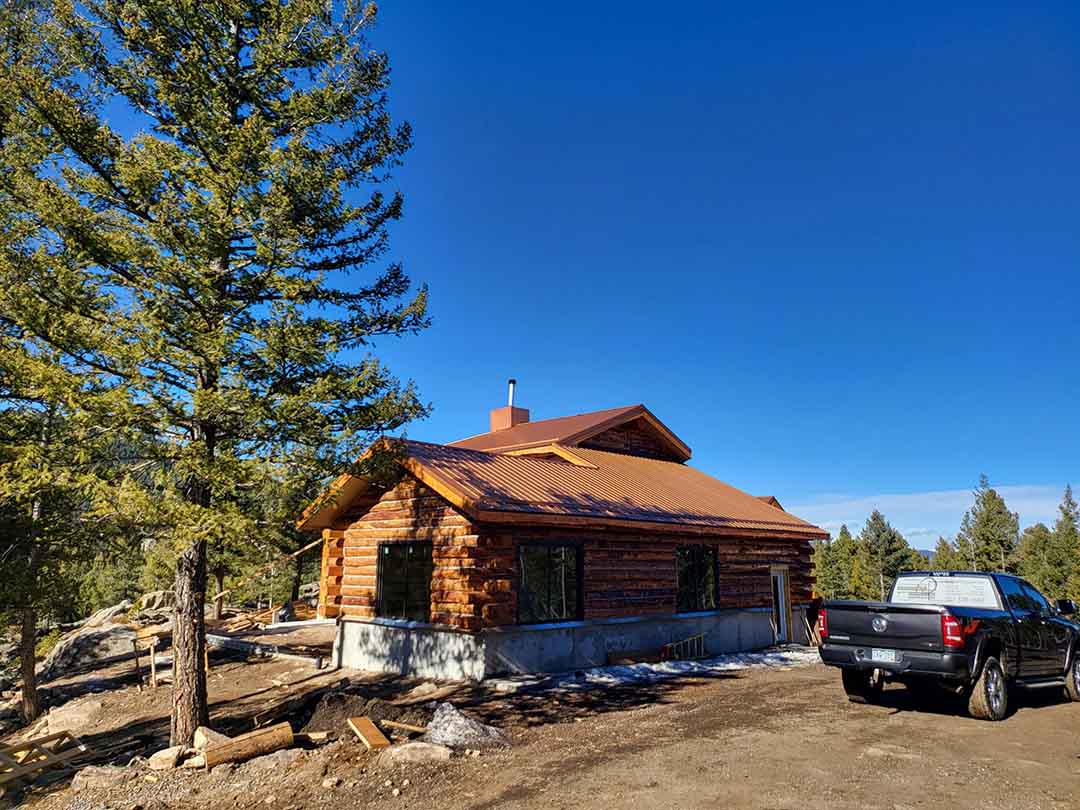

Commercial Insulation Contractor in Denver
A commercial building that leaks air and heat costs more every month. Utility bills climb, tenants complain about hot and cold spots, and the HVAC system works overtime to make up the difference.
The right commercial insulation contractor in Denver fixes that without disrupting your business. ISID installs, seals, and verifies insulation that meets code and holds up to a working building’s demands.
Innovative Solutions Insulation and Drywall has served the Denver metro since 2005, handling both residential and commercial projects across the region. This guide covers our commercial insulation scope, materials, code targets, and why building owners and general contractors trust our crews.
Table of Contents
How Commercial Insulation Differs From Residential Work
Commercial insulation is a different job than home work. The buildings are larger, the assemblies are more complex, and the code requirements are stricter.
Roofs, metal wall panels, concrete block, and steel framing replace the wood framed attics and walls found in most houses. Each assembly needs its own approach to insulation, air sealing, and moisture control.
Schedules matter more too. Insulation sits between trades, so a late or sloppy install can hold up drywall, inspections, and your opening date.
That is why owners hire a dedicated insulation specialist rather than a general crew. ISID brings the labor, equipment, and code knowledge these projects require.
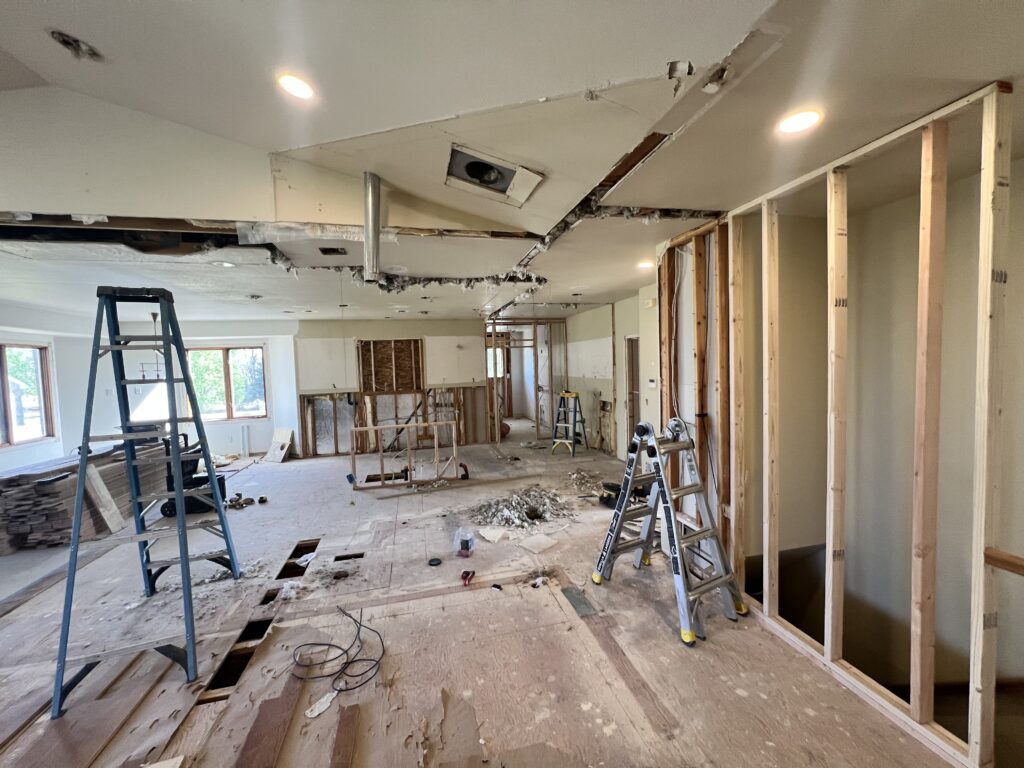
Why Denver’s Climate Demands Strong Commercial Insulation
Denver sits above 5,280 feet in a semi arid climate. The sun is strong, the air is dry, and temperatures swing hard between day and night.
That swing punishes commercial buildings. A warehouse or retail space can gain heat all afternoon and lose it fast after sunset, forcing heating and cooling equipment to cycle constantly.
Winter adds freeze thaw stress. Warm air escaping through a poorly sealed roof or wall meets cold surfaces, and the result is condensation, moisture damage, and wasted energy.
Good insulation stops it. It slows heat transfer, blocks air movement, and keeps conditioned air where you paid to put it.
Commercial Insulation Services ISID Provides in Denver
A commercial building often needs more than one insulation method. ISID covers the full scope so nothing falls between trades.
Spray Foam Insulation
For the tightest seal, ISID applies open cell and closed cell spray foam. Foam expands on contact and fills gaps that other materials miss.
It works well on roof decks, metal building walls, rim areas, and irregular surfaces. Our overview of spray foam insulation in Denver shows how it performs locally.
Blown Loose Fill Insulation
Large open ceilings and plenum spaces are ideal for blown loose fill insulation. It settles evenly across big areas and builds depth fast to reach the target R value.
Dense Pack for Existing Walls
Occupied buildings are hard to open up. Dense pack fiberglass and cellulose is blown into closed wall cavities at high density, which limits demolition and downtime.
Sound Insulation
Offices, clinics, and shared suites need quiet. Our sound insulation controls noise between tenants, meeting rooms, and private offices.
To see how foam helps with noise, read our guide on noise reduction spray foam insulation in Denver.
Old Insulation Removal
Damaged, wet, or settled material drags down performance. ISID handles full insulation removal before any upgrade so the new install performs as rated.
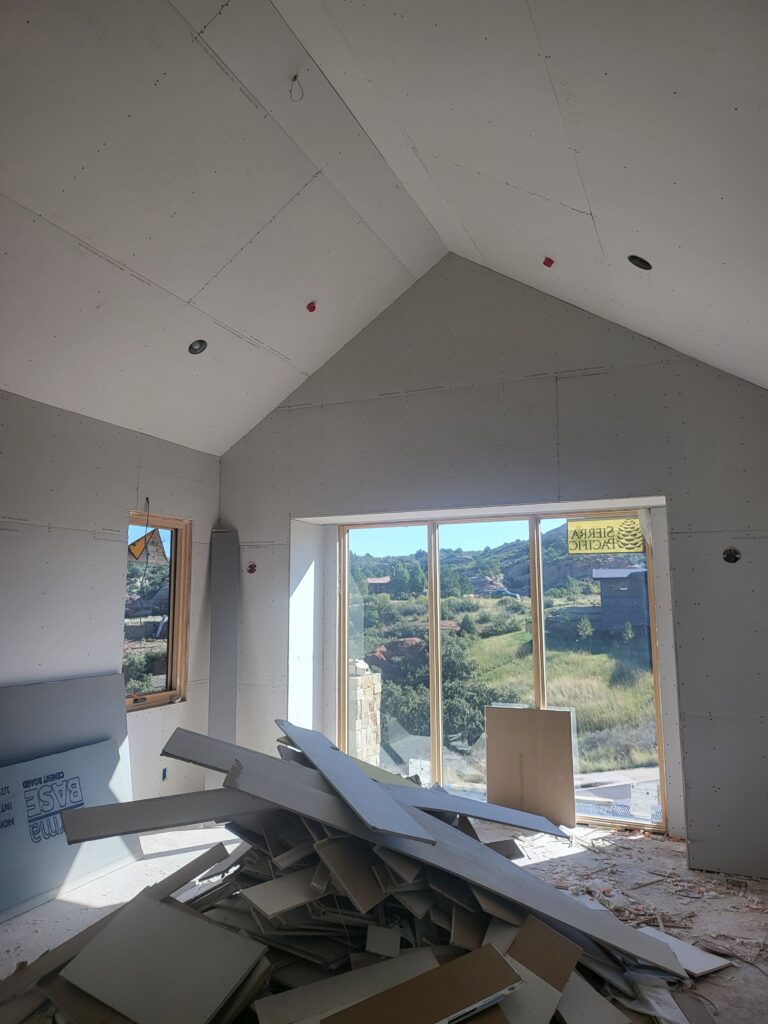
Insulation Materials and Where They Fit
Material choice affects both comfort and cost. R value per inch shows how well each option resists heat flow.
Fiberglass delivers roughly R2.2 to R2.7 per inch. It is affordable, noncombustible, and reliable in open cavities, which is covered in our post on whether fiberglass insulation is flammable.
Cellulose reaches about R3.2 to R3.8 per inch. It packs densely and fills irregular cavities better than batts.
Open cell spray foam runs near R3.5 per inch and seals air on contact. It is lighter and suits interior walls and ceilings.
Closed cell spray foam leads at roughly R6 to R7 per inch. It also blocks moisture, which makes it strong for roof decks, metal buildings, and below grade walls.
The right choice depends on the assembly, the target R value, and your budget. ISID often combines materials, using foam to air seal and blown fill to build depth.
Energy Code and R Value Targets in Denver
Denver falls in Colorado climate zone 5. Commercial buildings must meet energy code requirements that vary by building type, roof design, and wall construction.
Targets differ for roofs, walls, and floors, and they depend on whether the building uses continuous insulation or cavity insulation. The adopted code and your design documents set the exact numbers.
ISID builds to the specification you provide and recommends changes only when something will not perform. Current requirements follow standards published by the International Code Council.
Insulation also has to be installed correctly to deliver its rating. For background on how we verify results, see our post on how cavity wall insulation is tested.
Commercial Project Types We Handle
ISID works across the commercial market, not one narrow niche. Our crews scale to fit the building and the schedule.
Common projects include office buildouts, retail spaces, restaurants, medical and dental offices, warehouses, and multi family buildings.
Tenant improvements are a core strength. Whether you are reworking a leased suite or finishing a new shell, insulation is part of turning raw space into a working environment.
You can see the range and quality of our completed work on the ISID projects page.
What Drives the Cost of Commercial Insulation in Denver
Commercial insulation is not one flat price. Cost depends on square footage, material, target R value, and how accessible the space is.
Removing old insulation, sealing air leaks, working at height, and phasing the job around tenants all add labor. A large open warehouse roof costs less per square foot than a finished office with tight cavities.
Rebates may offset part of the spend. Xcel Energy offers programs for qualifying commercial efficiency upgrades, so confirm eligibility before work begins.
Larger projects can use financing options, and every job starts with a detailed, itemized estimate. You can also compare providers using our list of the best insulation companies in Denver Colorado.
Why ISID Is a Trusted Commercial Insulation Contractor in Denver
A commercial insulation contractor in Denver earns repeat work by hitting deadlines and passing inspections. ISID has built that reputation since 2005.
We carry A+ BBB accreditation, Xcel Energy approved contractor status, and a HomeAdvisor Top Pro designation, verified through Team Dave Logan.
Those 5 star reviews consistently cite clean work, clear communication, and crews that show up ready. Learn more on our about us page.
Because ISID also provides commercial drywall, framing, insulation, and board can come from one team. That means fewer handoffs and a tighter schedule.
Built for Commercial Timelines and Occupied Buildings
Commercial jobs live or die on coordination. ISID staffs projects to match the pace a general contractor sets, then holds that pace to completion.
We coordinate with other trades, sequence around inspections, and phase large floors so work never stalls. Clear scheduling keeps your project on track.
Many commercial jobs happen in occupied buildings. ISID uses dust barriers, controlled work zones, and off hours scheduling to keep tenants running while we work.
Homeowners and property managers with residential needs can also visit our residential insulation contractor in Denver page or read about home insulation in Denver CO.
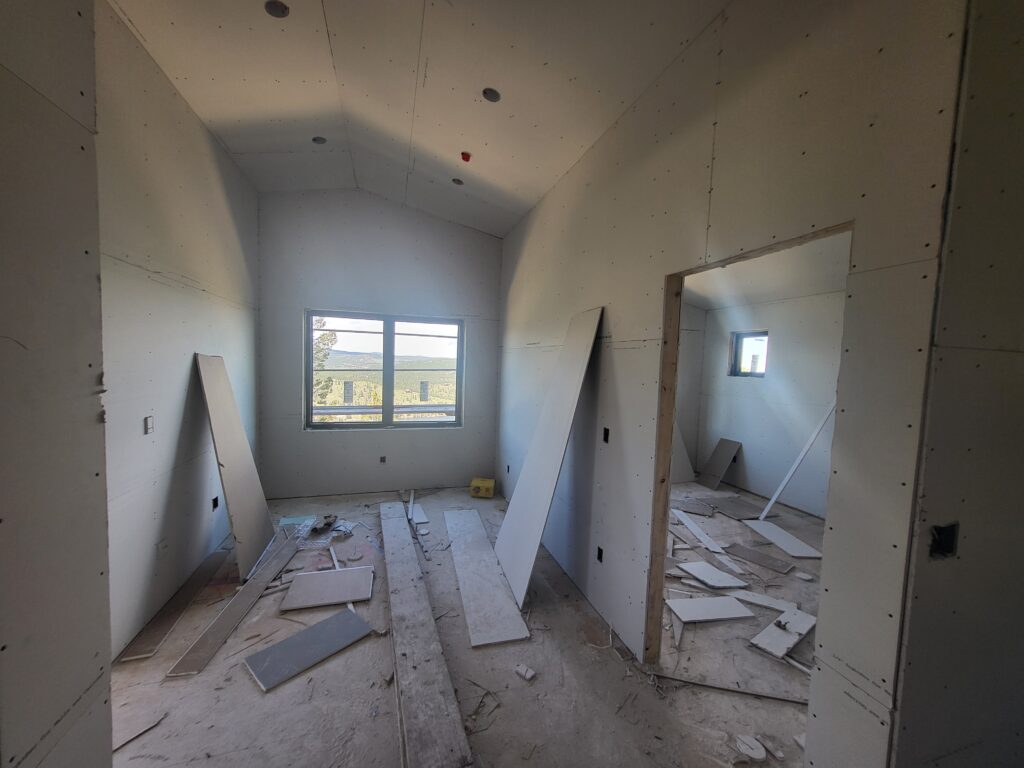
What an ISID Commercial Insulation Project Looks Like
A clear process keeps the job smooth. First, ISID reviews your plans or inspects the building to find gaps, thin coverage, and air leaks.
Next comes a written, itemized estimate with material, R value, and scope. Once approved, crews protect the work area, remove old material if needed, and prep access points.
Installation follows, whether spraying foam, blowing loose fill, or dense packing walls. The team then cleans up fully and confirms coverage against the target R value.
Denver and Surrounding Service Area
ISID serves commercial clients across Denver and the wider region, including Aurora, Lakewood, Centennial, Englewood, Westminster, Thornton, Boulder, and Castle Rock.
Confirm coverage on our service area page, and browse more local guides on the ISID resources page.
FAQ
What Does A Commercial Insulation Contractor In Denver Do?
They install and verify insulation in commercial buildings. ISID handles spray foam, blown fill, dense pack, sound insulation, and old material removal, and coordinates with your general contractor.
What Is The Best Insulation For A Commercial Building?
It depends on the assembly. Closed cell spray foam suits roofs and metal buildings, blown fill suits large open ceilings, and dense pack suits existing walls. ISID recommends the right mix per building.
Can You Insulate An Occupied Building?
Yes. ISID uses dust barriers, controlled work zones, and off hours scheduling to keep tenants running during the job.
Does Commercial Insulation Help With Noise?
Yes. Sound insulation and the right wall assembly reduce noise between offices, suites, and meeting rooms. ISID builds to the sound rating your project requires.
How Much Does Commercial Insulation Cost In Denver?
Cost depends on square footage, material, R value target, and access. ISID provides free, itemized estimates so you see clear pricing before work begins.
Do You Work Directly With General Contractors?
Yes. ISID regularly works as a subcontractor, coordinating with GCs and other trades to keep the project sequenced and on schedule.
Planning an office, retail, warehouse, or tenant project? Trust ISID as your commercial insulation contractor in Denver for insulation that is sized right, sealed tight, and installed on time.
Call (303) 520-2667 or request a free estimate today. Follow our work on Instagram and Facebook.